The SWEET Consortium ACHIEVE is researching pathways to net-zero
 Shutterstock
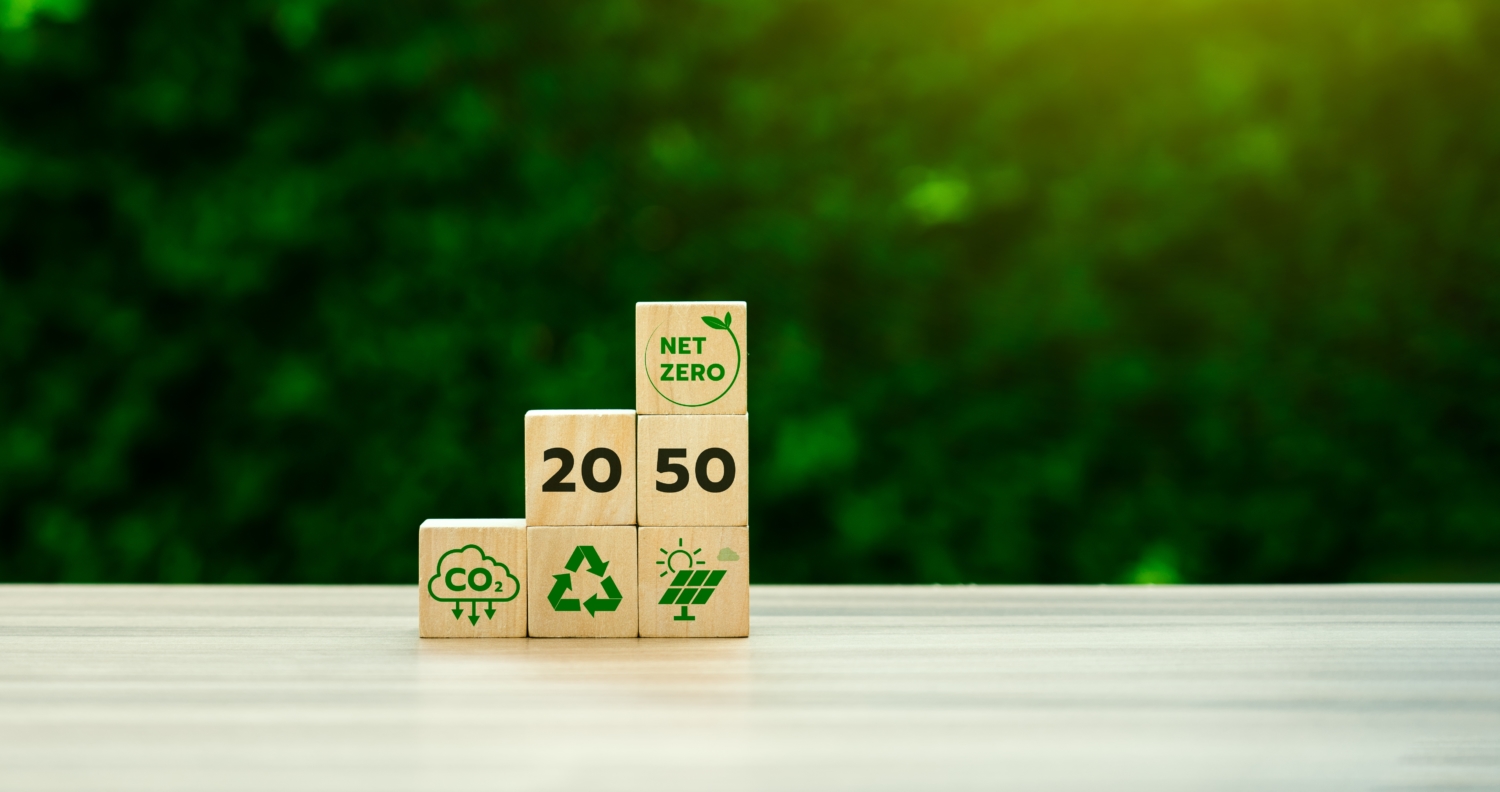
Not all greenhouse gas emissions can be completely avoided—especially in industry, waste-to-energy facilities, and agriculture. The new SWEET consortium ACHIEVE is investigating how we can achieve the net-zero goal by 2050 despite these residual emissions. Together with industry, policymakers, and society, the researchers are developing solutions to reduce, capture, utilize, or store these residual emissions. Nathalie Casas of Empa, coordinator of ACHIEVE, explains what the consortium is working on and why technological innovation alone is not enough.
Energeiaplus: Ms. Casas, why are certain greenhouse gas emissions considered “difficult to avoid”?
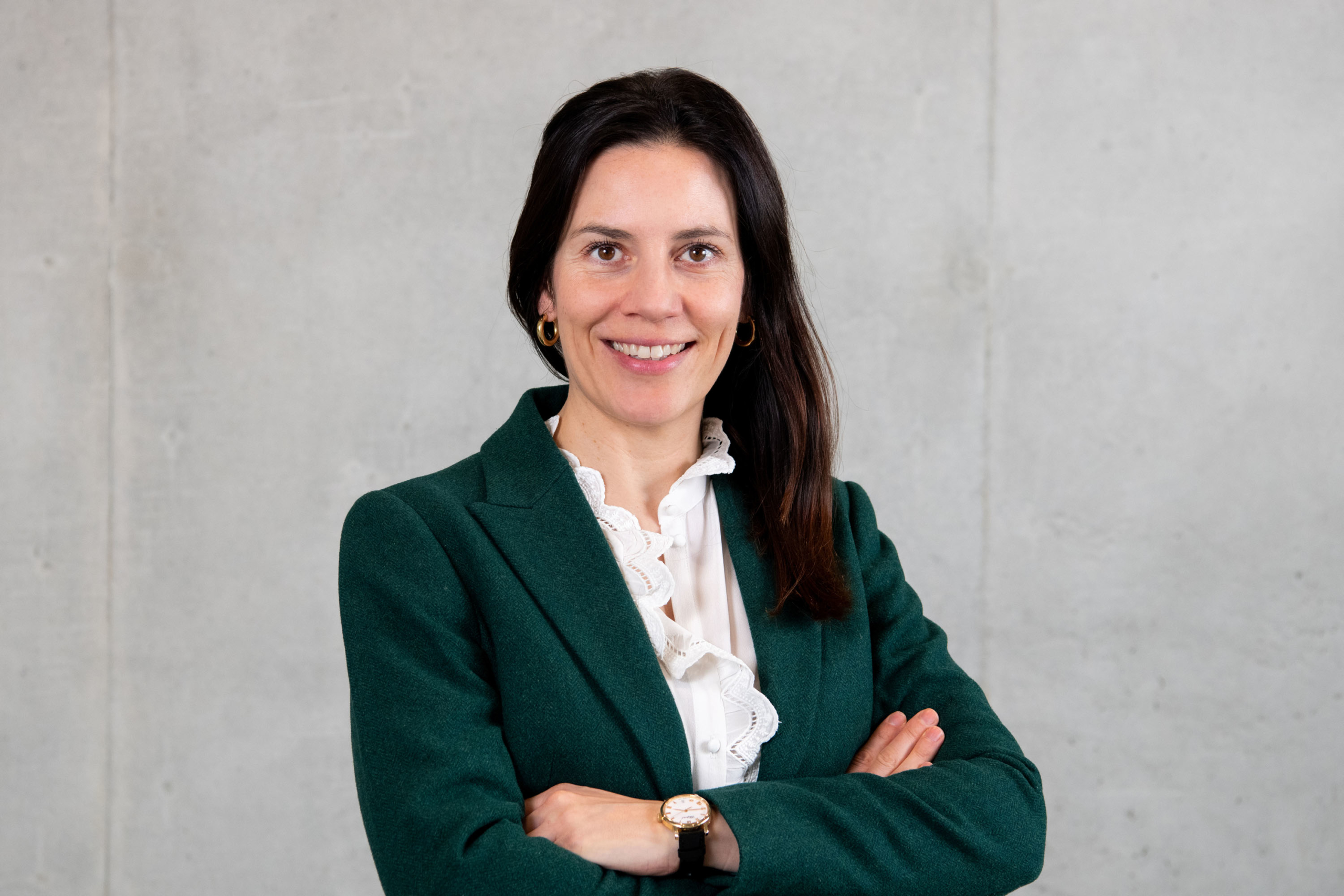
Nathalie Casas of Empa coordinates the SWEET consortium ACHIEVE. Photo: Empa
Nathalie Casas: Hard-to-avoid emissions arise where there are currently no alternatives—or only very limited ones—to greenhouse gas-intensive processes. One example is industrial high-temperature processes. Certain production steps—for example, in cement manufacturing—require temperatures that, at present, can often only be achieved through combustion processes. In agriculture, on the other hand, emissions result from natural biological processes: ruminants produce methane—a very potent greenhouse gas—during digestion. And as long as we incinerate waste, emissions will also result from municipal waste incineration. It is precisely in these areas that ACHIEVE is seeking ways to further reduce emissions or manage the remaining residual emissions.
How high will these residual emissions be in 2050?
The federal government’s climate strategy assumes that around 11 to 12 million metric tons of CO2 equivalents will still be emitted in 2050. This figure already takes into account expected future technological progress.
CO2 equivalents (CO2-eq) are a unit of measurement used to compare the climate impact of various greenhouse gases. Emissions of gases such as methane or nitrous oxide are converted into the equivalent amount of CO2 based on their impact on the climate.
While solutions for decarbonization already exist and are being implemented in the electricity sector and for heating buildings, the situation is significantly more challenging when it comes to emissions that are difficult to avoid. We are pursuing two approaches: First, we are investigating how emissions can be further reduced. Second, we are addressing emissions that remain despite all efforts. At waste-to-energy plants, for example, CO2 can be captured from the flue gases and permanently stored.
Why can’t we simply remove CO2 from the air or from exhaust gases and thereby avoid the need for further reductions?
Because CO2 capture always requires energy, infrastructure, and resources. Removing it directly from the atmosphere is particularly challenging. Although the air today contains too much CO2, the concentration is still only about 480 parts per million. That is a very dilute system.
The more diluted a substance is, the more complex its separation becomes. Therefore, every metric ton of CO2 that isn’t emitted in the first place saves energy, effort, and costs down the line. Avoiding emissions is almost always more efficient than capturing them later.
Agriculture is a key focus of ACHIEVE. It is widely known that eating less meat and more plant-based foods is better for the climate. What other approaches are you exploring?
We are exploring alternative fertilization strategies and ways to optimize livestock management to reduce emissions per kilogram of meat or milk. One example is feed additives that can reduce methane emissions from ruminants.
However, we’re not just focusing on agriculture; we’re looking at the entire value chain—from production to retail. Reducing food waste plays an important role in this. We’re also working closely with retailers on this.
Another work package focuses on biomass. How important is it for the net-zero goal?
Biomass can play a very significant role—but only if we use it wisely. Cascade utilization is key: Wood, for example, should first be used in construction, then reused as much as possible, and only at the end of the utilization chain should it be used for energy. In this process, the carbon contained in the wood should be converted into a stable form as much as possible. This means that the CO2 the tree absorbed from the atmosphere as it grew does not ultimately return entirely to the air. One option is pyrolysis: this process produces biochar, which can be stored long-term in building materials such as concrete.
Biomass can also serve as a renewable raw material, for example, for chemical, pharmaceutical, or cosmetic products. We are exploring these possibilities in close collaboration with industry partners. Here, too, the question arises as to where it provides the greatest benefit within the overall system. After all, biomass isa limited resource—and in many net-zero scenarios, it is in demand from various quarters.
Resources are not limited to biomass alone. This is where the circular economy comes into play. Where does ACHIEVE focus its efforts?
We examine industrial material flows across sectors and how we can make them circular. In doing so, we focus on the construction sector, the chemical and pharmaceutical industries, waste treatment, and plastics recycling. For example, in the construction industry, where concrete, reinforcing steel, and other materials are tightly bound together, recycling becomes complex and expensive. If, on the other hand, products are designed to be circular from the outset, materials can be more easily recovered and reused.
For the remaining residual emissions, we need solutions for CO2 capture and storage. What challenges still exist in this regard?
The actual capture technology has been around for a long time. However, the CO2 storage sites currently under discussion are located in geological formations beneath the North Sea. The greater challenges therefore lie in the transport infrastructure and the regulatory framework. One example is the legal classification of CO2. Currently, it is classified as waste for cross-border transport. Exporting this waste is very difficult. We are also examining whether suitable storage sites exist domestically and how much storage capacity is available.
Has the permanent storage of CO2 even been sufficiently tested?
Yes. The geological storage of CO2 is not a new technology. In countries such as Norway, CO2 has been stored in suitable rock formations since the 1990s. The oil and natural gas industries also have decades of experience with the behavior of CO2 underground. The fundamental processes are well understood scientifically.
However, technical solutions alone are not enough. How does ACHIEVE support societal transformation?
This is a central component of the project. We involve industry, policymakers, and society in the research at an early stage and develop solutions together. To this end, the consortium includes not only nine universities but also six partners from the private sector. In addition, numerous associations, companies, and cantonal agencies are collaborating as part of the broader network of partners. Thanks to these close ties, we can better understand where obstacles, concerns, or acceptance issues lie.
We will also test the solutions under real-world conditions in case studies and real-world laboratories. One example is the planned “Beyond Zero Unit” on the Empa campus. There, among other things, building materials containing biochar or clay will be tested in an actual building. At the same time, social scientists will examine how new technologies are perceived and what political or regulatory frameworks are necessary.
Ultimately, ACHIEVE aims to develop concrete “net-zero pathways.” What does that mean?
There is broad agreement on the goal of net-zero. The more difficult question is how we can achieve this goal as efficiently as possible. This is precisely where the net-zero pathways come in: they are intended to identify which combinations of measures are technically feasible, economically viable, and socially acceptable. Key considerations include conflicting objectives, which are particularly evident in the use of biomass. The net-zero pathways should therefore not only evaluate individual technologies but also demonstrate how limited resources can be deployed most effectively within the overall system.
This results in concrete action plans for policymakers, the business sector, and society. Our goal is to provide a sound basis for decision-making—so that Switzerland can successfully chart its path to net-zero.
SWEET is a funding program of the Swiss Federal Office of Energy (SFOE). The purpose of SWEET is to fund solution-oriented research and innovation focused on the goals of the Swiss Energy Strategy 2050 and the long-term climate strategy.
Text: Irene Bättig, Sprachwerk GmbH on behalf of the SWEET Secretariat, Swiss Federal Office of Energy (SFOE)
Image: Shutterstock; Sutthiphong Chandaeng; Asset ID: 2280544807
 Noch keine Bewertungen
 Loading...




Neuste Kommentare