From Switzerland to Icelandic soil: How CO2 is to be stored
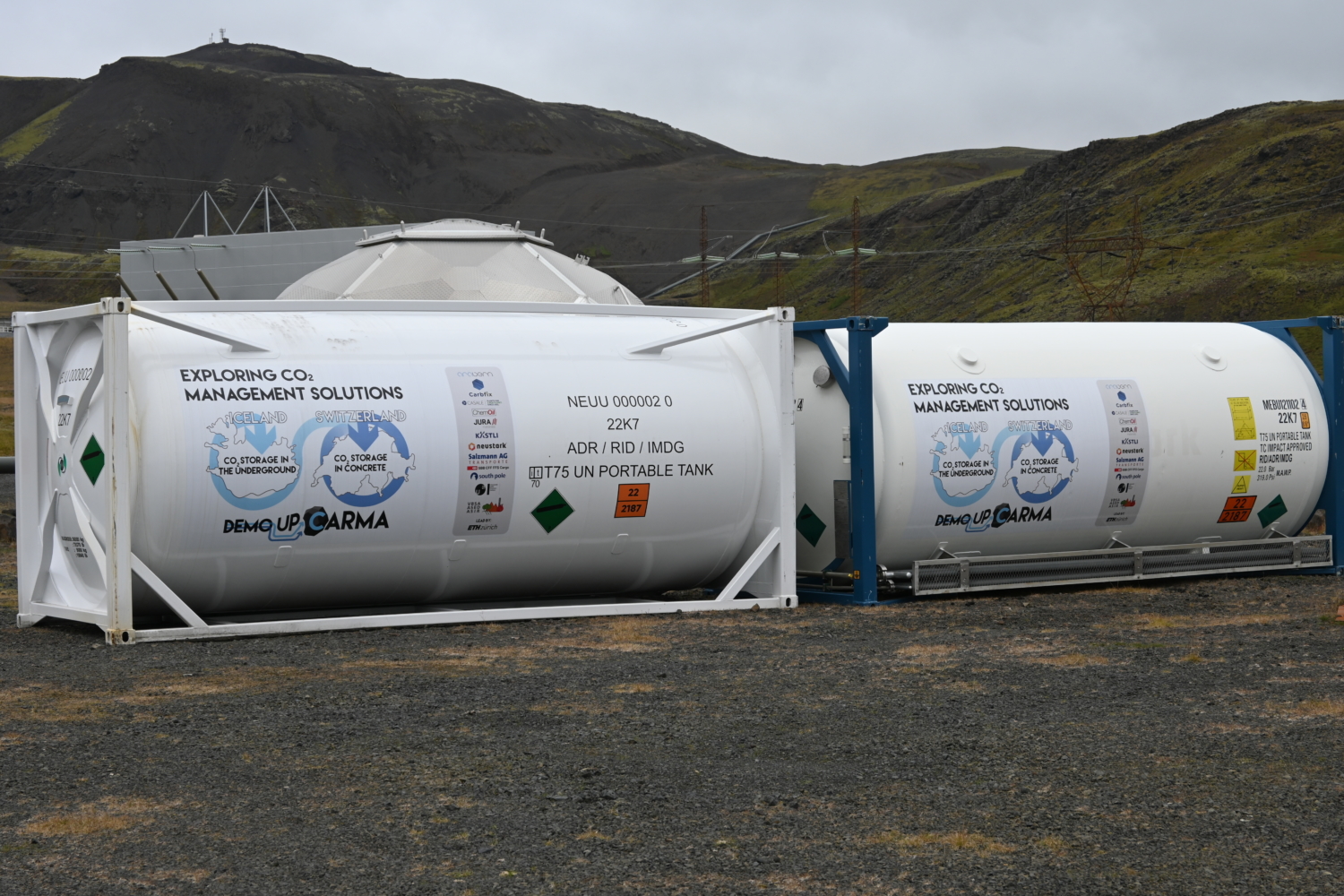 DemoUpCARMA
It sounds simple and could make an important contribution to reducing CO2 emissions. CO2 is captured where it is produced, liquefied, then mixed with seawater where it is to be stored and then injected underground. This is - somewhat simplified - the idea behind the DemoUpCARMA project, which is supported by the Swiss Federal Office of Energy (SFOE) and the Federal Office for the Environment (FOEN). The first milestone has now been reached - the first injection of liquefied CO2 into volcanic rock in Iceland.
Switzerland has pledged to be climate-neutral by 2050 and to reduce greenhouse gas emissions to zero. Carbon dioxide (CO2) makes up the largest proportion of this. The aim is therefore to avoid CO2 emissions and compensate for CO2 emissions from industry, waste management and agriculture that are difficult to avoid.
One approach is to capture the CO2 directly at the point of origin - waste incineration, chemical or cement plants - and then store it permanently in underground geological formations or in building materials (e.g. concrete). This is known as Carbon Dioxide Capture and Storage (CCS). Both processes are being tested in the DemoUpCARMA project. The aim is for them to be so mature that they can be scaled up, i.e. used on a broad scale. CO2 emissions from large industrial point sources are to be reduced by such CCS measures.
Focus on Iceland
Studies have shown that the geological storage potential in Switzerland can be exploited, but is limited. It is therefore important to look for alternative storage options. The conditions for this are favorable in Iceland. On the one hand, Iceland has suitable geological formations in the form of basalt rock - in basalts, CO2 can mineralize into carbonates (i.e. rock) within a few years and thus solidify permanently. On the other hand, Iceland already has experience with underground CO2 storage.
And this is how the DemoUpCARMA project works in concrete terms:
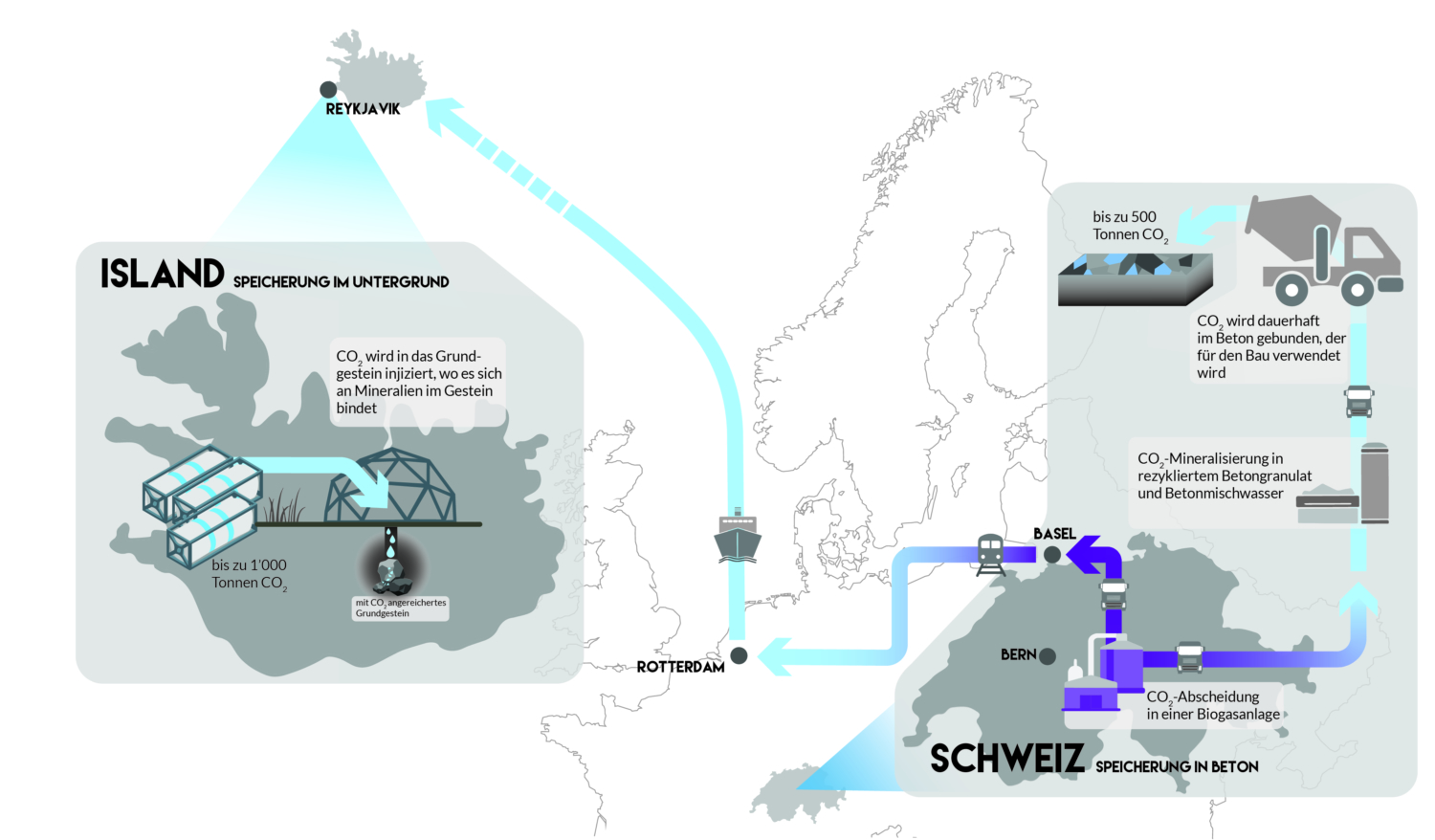
The CO2 is separated and liquefied at the Bern wastewater treatment plant and filled into vacuum-insulated containers. The containers are transported by truck and rail to Rotterdam and from there by ship to Iceland. The captured CO2 is dissolved in seawater and then injected into the basalt.
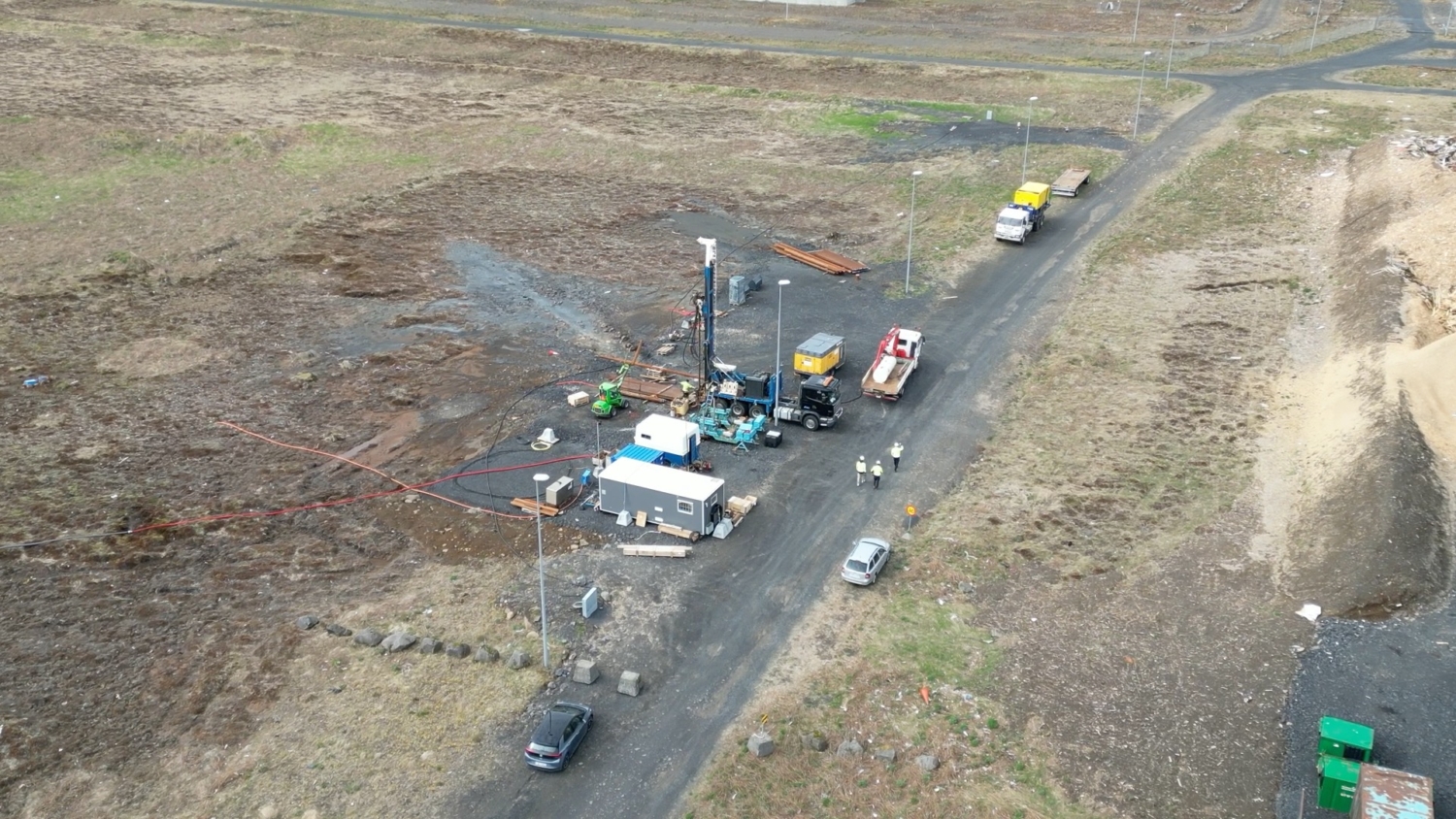
The injection site in Helguvik, Iceland. Drone image before drilling. DemoUpCARMA
The first such injection has now taken place. It should show whether the process also works in practice and, above all, is scalable. What are the challenges of storing CO2 in the ground? Energeiaplus asked Alba Zappone, geologist from the DemoUpCARMA project.
Energeiaplus: The mineralization of CO2 liquefied with seawater is in principle a natural process. This can be seen in Iceland. Sea ridges absorb large quantities of CO2 released by magma and dissolved in seawater. Nevertheless, you are talking about a milestone with this first injection. Why is that? What is so special about it?
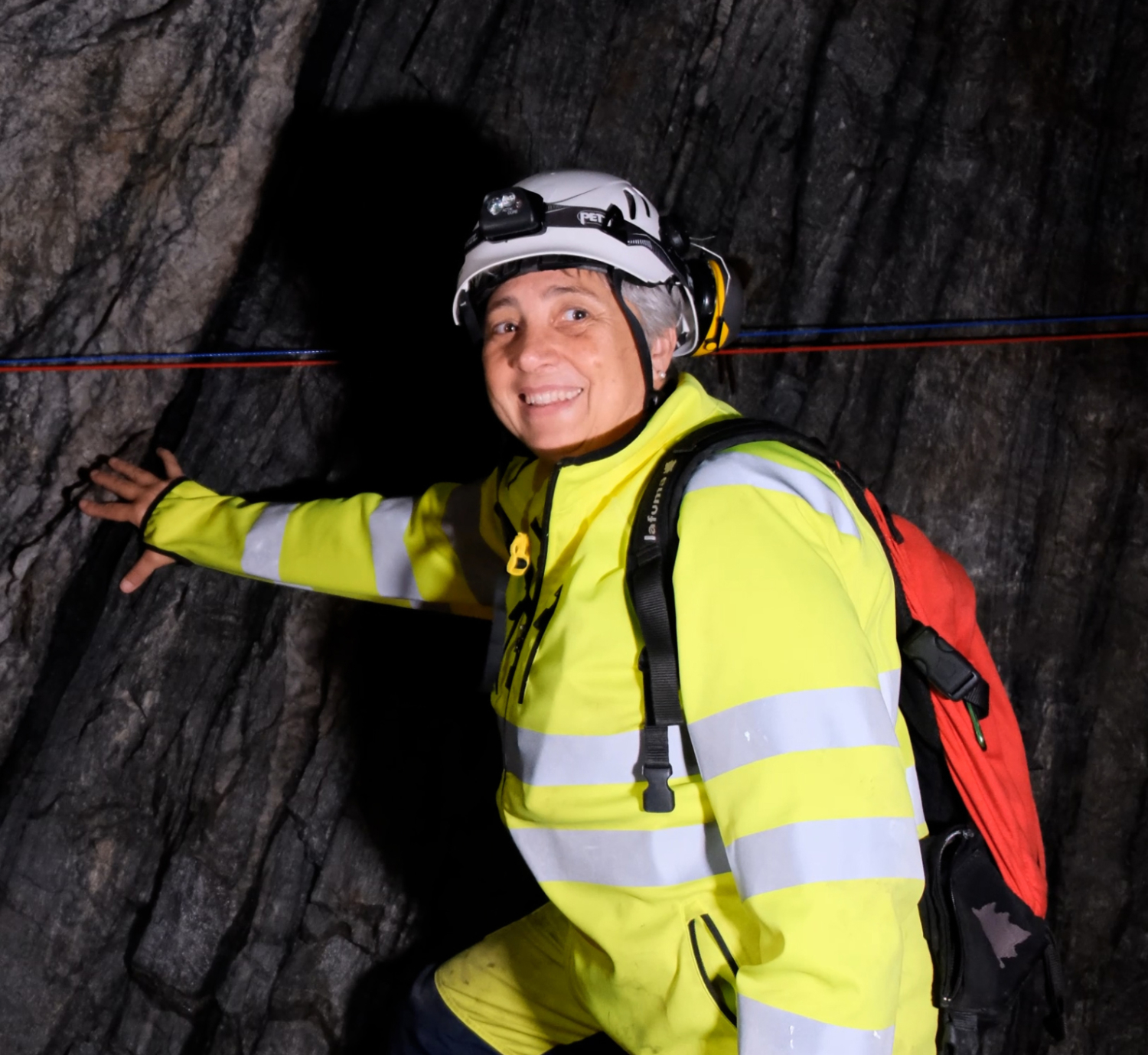
Alba Zappone in the BedrettoLab; Image: DemoUpCARMA
Alba Zappone: We are trying to artificially "recreate" a natural process here. In itself, the process is not entirely new: the company Carbfix is already injecting CO2 into the basaltic subsurface at another location in Iceland. What is new is that we are mixing CO2 with seawater and not fresh water as before. It is also a milestone because it is the first time that Swiss CO2 has been transported to Iceland for storage purposes as part of DemoUpCARMA.
Capturing CO2, liquefying it and then pumping it into the ground. It all sounds very simple. What are the sticking points in this process? The uncertainties?
There are many sticking points, be it transportation to Iceland, creating the boreholes or installing the monitoring network. We can give an example of transportation: The import and export conditions for the cross-border transportation of CO2 had to be clarified, as CO2 had never been transported for these purposes before.
Energeiaplus: What exactly does your work consist of?
The focus of my work is on what happens underground. Our task is to observe the injection of CO2 and the subsequent processes underground using various suitable measurement methods.
The first challenge was to find sensors and install them in such a way that they could withstand the sometimes harsh weather conditions in Iceland. With the start of injection, we will focus on the mineralization process. By measuring how fast seismic waves propagate underground, we can see how far the mineralization process has progressed. Once mineralization occurs, the speed of seismic wave propagation should become measurably faster. So far, this is a theory. We will probably only find out in six to eight months' time whether this proves to be the case.
How safe is it to store CO2 permanently in the ground?
As soon as the CO2 mineralizes, i.e. combines with the existing elements magnesium, iron or calcium, it becomes rock, so to speak, and is therefore safely stored.
The Swiss Seismological Service at ETH Zurich is involved in the project. How great is the seismic risk of such an underground reservoir?
We assume a very low seismic risk due to the shallow injection depth and the low pressures used for the injection. Nevertheless, we want to be able to observe and understand exactly how the subsurface reacts to the injection. With our seismic stations on site and additional measurements, we can record changes in the subsurface very precisely and adjust or stop the injection if necessary.
Basically, storing CO2 from Switzerland in Iceland also produces emissions. Keyword: truck and ship transportation. Why does this still make sense?
Our scientists have investigated precisely this and calculated a life cycle assessment of our chosen transportation route. They found that around 200-250 kg of CO2 are emitted per stored ton of CO2 during transportation. This means that 750-800 kg of CO2 could be avoided in this setting. This balance could certainly be improved in the future through scaling effects, for example if the CO2 were transported on specially designed ships or over long distances via pipelines.
The DemoUpCARMA project runs until fall 2024: what results do you hope to achieve by then?
We hope that the injection and the accompanying measurement campaign will continue to run smoothly over the winter and that we will obtain an informative catalog of data. It will be exciting to see whether the mineralization processes work just as well at this site and with CO2 dissolved in seawater as they do in the laboratory.
Text and interview: Brigitte Mader, Communications, Swiss Federal Office of Energy
Picture: DemoUpCARMA
 Noch keine Bewertungen
 Loading...





Neuste Kommentare