Golden plug: Schaffhausen gets serious about e-charging stations in buildings
 shutterstock
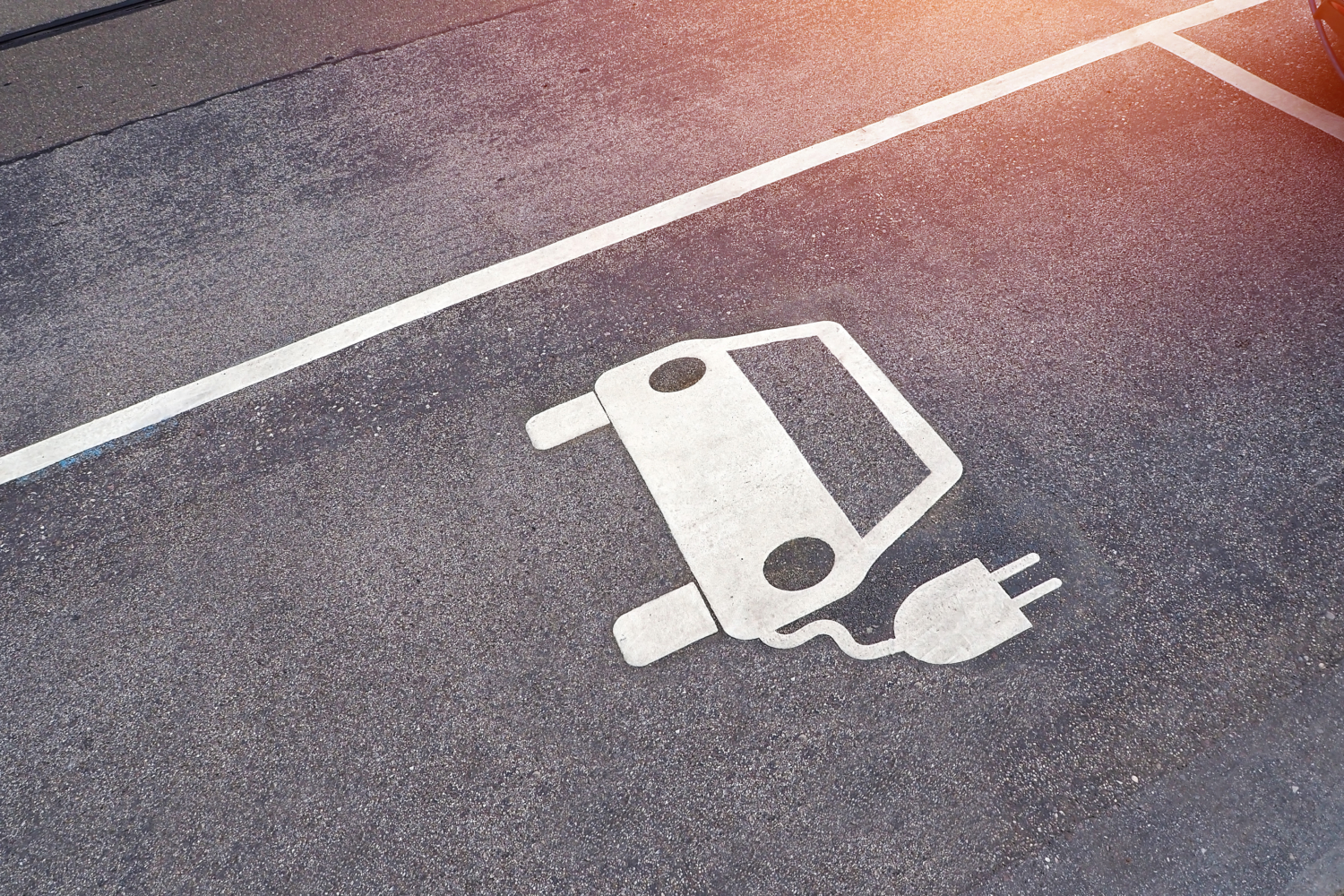
SIA 2060: Anyone constructing a building in the canton of Schaffhausen cannot avoid this information sheet from the Swiss Society of Engineers and Architects. Because in Schaffhausen, the infrastructure for electric vehicles must be prepared in every new building. It is the first canton to introduce this equipment obligation for e-charging infrastructure. Others rely on incentives such as purchase premiums or tax breaks to promote electromobility.
In every building that is newly constructed in the canton of Schaffhausen - whether residential or commercial - the basic equipment for the infrastructure for e-charging stations must be available. In the case of commercial buildings, a certain number of parking spaces must be equipped for charging.
In the future, technical equipment with e-charging infrastructure will also be mandatory for comprehensive renovations. This new building law has been in force in the canton of Schaffhausen since April 2021.
This is to ensure that expensive investments for electromobility do not become necessary at a later date. Publicly accessible car parks and car parks with more than 60 parking spaces must have e-charging stations by 2030. In new residential buildings, at least the empty conduits must be installed so that charging stations can be set up as required.
The people of Schaffhausen have received the Golden Plug 2021 from the Swiss E-Mobility association for this, a recognition award for promoting electromobility. The canton of Berne also wants to adapt the building law so that parking spaces are adequately prepared for electromobility. The decision now lies with parliament.
The canton of Neuchâtel has similar provisions. In new buildings, at least 80 percent of the parking spaces must be designed in such a way that the subsequent installation of charging stations is possible.
However, most cantons continue to rely on incentives. Those who switch to an e-car receive a purchase premium. The amount of this varies from canton to canton, and is sometimes linked to conditions. In Schaffhausen, this premium is linked to the condition of purchasing 100 percent renewable electricity for one's property or apartment. The vast majority of cantons also promote e-vehicles with tax breaks.
Stephan Walter is a mobility specialist at the Swiss Federal Office of Energy. Energeiaplus asked him about the significance of the incentives and what the SIA 2060 information sheet can achieve.
Energeiaplus: What do the various incentives offered by the public sector achieve in terms of promoting electromobility?
Stephan Walter: Purchase premiums, as granted by some cantons, can certainly motivate consumers to buy electric cars in a transitional phase and also increase the visibility of electromobility as a whole. This also applies to the rebates for energy-efficient vehicles in cantonal motor vehicle taxes.
However, purchase premiums will hardly be necessary in the longer term because e-cars are becoming cheaper all the time. Various cantons and cities also offer subsidy programmes for charging infrastructure in multi-party buildings or in companies. This helps to accelerate the process of setting up charging facilities.
In many new buildings, the infrastructure for e-charging stations is already provided as standard. How important is it to make this an explicit legal requirement, as the canton of Schaffhausen has now done?
It is very important that electromobility is already taken into account when planning new buildings, such as by laying empty conduits and cable support systems or setting up a sufficiently dimensioned connection line for the subsequent installation of charging infrastructure. This is much more cost-effective than retrofitting. However, new buildings are still being constructed without the corresponding pre-installations. Legal requirements in the cantons can counteract this.
Experience has shown that E-vehicle owners charge their cars at home. For those who live in an old apartment building without a garage or private parking space, the new Schaffhausen law is of little use. What is the solution here?
For people without a fixed parking space at home, suitable charging options must be created quickly. For example, in the blue zone. In Basel-Stadt, a total of 200 publicly accessible charging stations for electric cars will be set up in residential areas by the end of 2026 in line with demand. This means that residents will have the opportunity to register their demand (using an online form), and the canton of Basel-Stadt will then examine the provision of the charging station.
In Bern, a pilot project for charging electric cars at street lamps in the blue zone has also been running since the end of March this year.
What do you see as the most pressing challenges in e-mobility?
In October, one in four new passenger cars sold had an electric drive, i.e. was an electric car or plug-in hybrid. Accordingly, the development of private and publicly accessible charging infrastructure must be accelerated in order not to impede the accelerating development in new registrations of electric vehicles. The timely and demand-oriented implementation of these charging options is a major challenge and can only be achieved through increased coordination and cooperation between all relevant parties. SwissEnergy will shortly be launching a charging infrastructure programme to support this process with targeted measures, for example in the area of information and advice.
Text and interview: Brigitte Mader, Communication Federal Office of Energy
 1 Vote(s), Durchschnitt: 5,00
 Loading...




Dein Kommentar
An Diskussion beteiligen?Hinterlassen Sie uns Ihren Kommentar!