How much electricity does it take to provide gasoline and diesel?
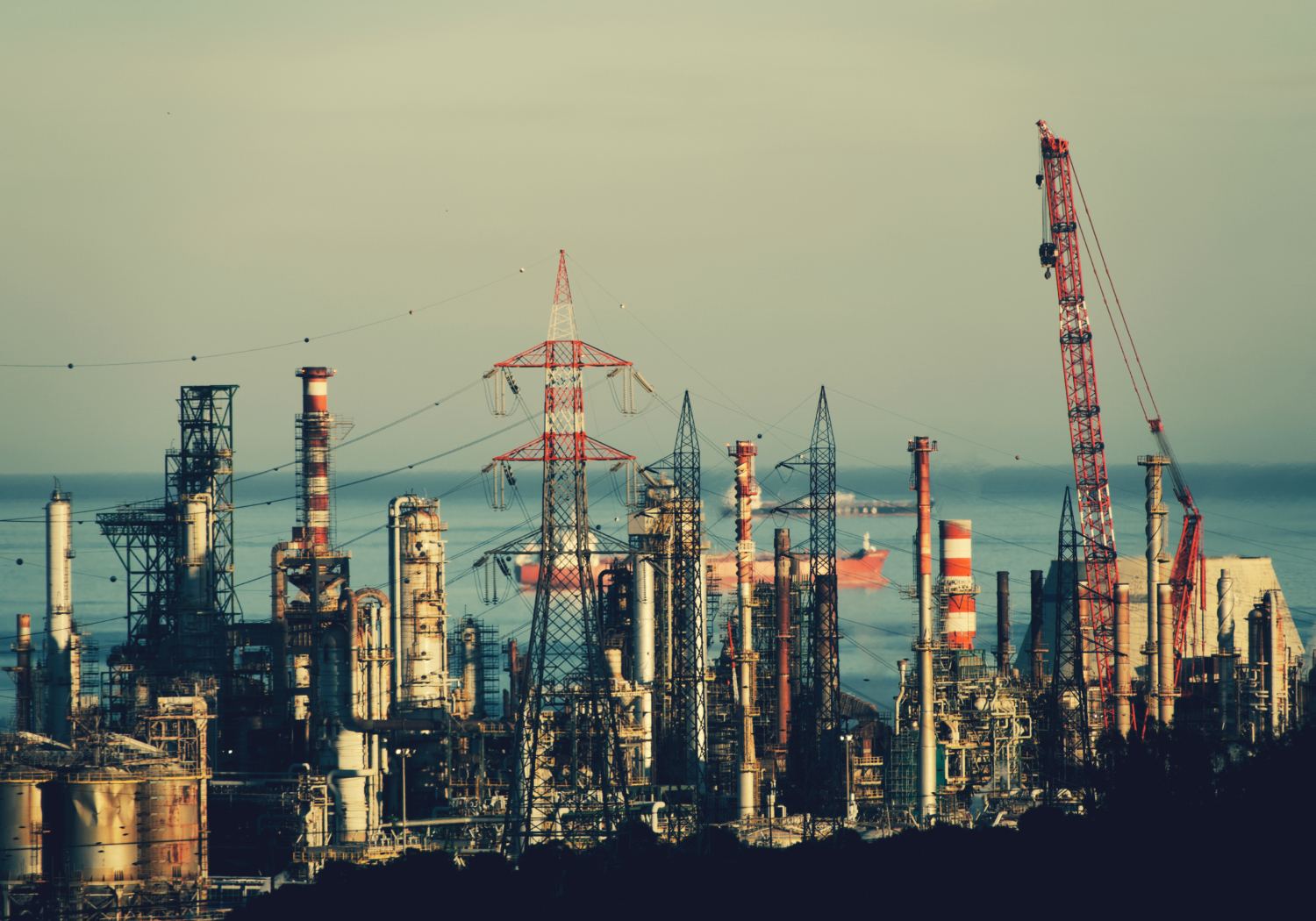 Shutterstock
How much electricity is needed to produce petrol and diesel before the fuel reaches the filling station? In specialist articles, interviews and comment columns, figures on the high electricity consumption required to produce a liter of petrol or diesel are quoted time and again. The Swiss Federal Office of Energy (SFOE) also regularly receives letters from people arguing that a combustion engine car indirectly consumes just as much electricity per 100 km as a modern electric car. But what is the actual situation? As part of the annual update of the environmental parameters for the energy label for passenger cars, the life cycle assessment consultancy treeze investigated this question on behalf of the SFOE. Energeiaplus asked Rolf Frischknecht. He is a lecturer at the Department of Environmental Systems Science at ETH Zurich and founder and owner of treeze.
Energeiaplus: Mr Frischknecht, you have analyzed the electricity demand along the so-called "supply chain" of the fuel. What does that mean exactly?
Rolf Frischknecht: We have analyzed how much energy is required to provide fuel and electricity for vehicles. This analysis covers the entire supply chain. For the fossil fuels petrol and diesel, this includes oil extraction, long-distance transportation via pipelines or by ship, rail and truck, refining, delivery to filling stations and refuelling. This system is also referred to as "well to tank" ("from the well to the tank").
"Well to tank" ("from the well to the tank")
Energy required to provide the drive energy (fuel or traction current), from extraction (e.g. borehole or reservoir, incl. construction phase and maintenance) to provision in the vehicle (tank or battery).

Rolf Frischknecht is a lecturer at the Department of Environmental Systems Science at ETH Zurich and founder and owner of the life cycle assessment consultancy treeze.
Fossil and electrical energy is required along this supply chain, for example heavy fuel oil in the deep-sea tankers, diesel in the tanker trucks or electricity to operate the pipelines. We have now investigated how much electricity is used to produce one liter of petrol or diesel from crude oil, which is filled up at a filling station in Switzerland. However, electricity only covers part of the energy requirements of the petrol and diesel supply chain.
Where does the data for your calculations come from? Are these sources and the methods used reliable?
The data comes from the life cycle assessment database of the Federal Office for the Environment (FOEN) . This contains detailed, up-to-date and transparent data on the supply chains for the provision of petrol and diesel in Switzerland. This data describes the energy requirements, efficiency, emissions to air and water and the waste that is produced, and is based on national and international statistics, environmental reports from oil companies and scientific publications. In addition, expert estimates and assumptions are always required, as the available data sources can rarely fully cover the information requirements. The data was verified by independent third parties before it was fed into the database. This step helps to ensure the quality of the LCA data. Finally, the life cycle assessment data is also the basis for the environmental characteristics of the vehicle energy label.
Environmental parameters :
Primary energy requirements and pollutant emissions in the production process of the various fuels and electricity consumed in Switzerland. As the sources and countries of origin of fossil fuels and electricity (hydropower, nuclear power, etc.) vary from year to year, the impact of the use of these energy sources is updated every year on the basis of the Federal Administration's database.
How much electricity does it take to produce a liter of gasoline? Are there differences depending on the fuel, and if so, how can these be explained?
The provision of petrol and diesel at a Swiss filling station requires a total of just under 0.175 kWh of grid electricity per liter of petrol and just under 0.12 kWh of grid electricity per liter of diesel. The grid electricity requirement is significantly higher for petrol, in particular due to the higher processing costs in the refinery. In addition to the grid electricity demand of the refinery, the grid electricity consumption of the filling stations is also significant. However, this is almost the same for petrol and diesel.
Grid electricity
Electricity is drawn from the power grid. Electricity that comes from a PV system or a generator for self-consumption is not considered grid electricity.
Do we know from which countries and of what quality this electricity for fuel production comes?
We have not investigated this in detail. However, we have analyzed how high theCO2 emissions are that are caused by grid electricity consumption and put these in relation to theCO2 emissions of the entire petrol and diesel supply chain. According to this, electricity accounts for around 10 percent of totalCO2 emissions from fuel supply.
In addition to electricity, fossil fuels are also required for fuel production, e.g. for transportation by sea, in the refinery or for supplying filling stations. Can you put a figure on this? How much is this compared to the energy content of the fuel?
In addition to the grid power requirement andCO2 emissions, we have also quantified and analyzed the total energy requirement (including gas, fuel, etc.). In order to bring 1 liter of diesel or gasoline (whose energy content corresponds to approx. 10 kWh or 9 kWh respectively) into the car tank, an additional 3 or 3.5 kWh of energy must be used on the way from "well-to-tank". This supply energy includes gas, fuel and grid electricity, which is required for sea and road transportation, the operation of pipelines, refineries, filling stations, etc. The 0.175 and 0.12 kWh of grid electricity per liter mentioned above therefore only account for a fraction of the supply energy.
A report with more details on this topic is available here under the heading "Brochures and reports".
Interview: Daniel Schaller, Energy-efficient transport specialist, Swiss Federal Office of Energy
Photo: Shutterstock; Asset ID: 1670028922, Alessandro Coronas
 4 Vote(s), Durchschnitt: 5,00
 Loading...


Neuste Kommentare